
7-OH EDUCATIONAL GUIDE
7-OH: What It Is, Withdrawal Symptoms and Treatment in New Jersey
Everything to know about 7-OH: what it is, why it hooks people so fast, what withdrawal feels like day by day, and how outpatient treatment in New Jersey helps you stop.
Answered 24/7. No charge, and nothing is committed to on the call.
Medically reviewed by Rachele McGowan, LPC, LCADC, Clinical Director · Updated September 2026



7-OH IN 30 SECONDS
- What it is: 7-OH (7-hydroxymitragynine) is an opioid-like compound from the kratom plant, concentrated or chemically made and sold as tablets, gummies, shots and powders.
- How strong: It binds the same brain receptors as morphine and heroin. In lab studies it was about 13 times more potent than morphine.
- Is it new? The compound was identified in 1994. Concentrated 7-OH products are new, spreading through U.S. gas stations and smoke shops in 2023 and 2024.
- Is it legal? Not yet federally scheduled as of September 2026. The DEA has announced plans to make concentrated 7-OH Schedule I, and a New Jersey bill would do the same.
- Withdrawal: Starts 6 to 24 hours after the last dose, peaks on days 1 to 3, and the physical symptoms usually ease within a week.
- Treatment: Outpatient care (PHP, IOP or OP) with counseling, relapse prevention and a medication review. Heavy daily users may need a medically managed withdrawal first.
THE BASICS
What Is 7-OH (7-Hydroxymitragynine)?
7-OH is short for 7-hydroxymitragynine, one of more than 40 alkaloids found in the leaves of kratom (Mitragyna speciosa), a tree native to Southeast Asia. In the natural leaf it is a trace compound. The FDA puts it at less than 2 percent of kratom's total alkaloid content.
The 7-OH sold today is different. Manufacturers take mitragynine, kratom's main alkaloid, and chemically convert it into 7-OH, or they concentrate it far beyond anything found in the leaf. The result is a product that acts much more like a prescription opioid than like the kratom powder or tea people have used for decades.
In your body, 7-OH also shows up on its own: the liver turns some of the mitragynine from ordinary kratom into 7-OH. Researchers now believe that conversion explains much of kratom's pain relief and much of its habit-forming pull.
Renova Recovery treats 7-OH dependence as part of our drug addiction treatment programs for adults across New Jersey.
| Kratom leaf | Concentrated 7-OH products | |
|---|---|---|
| Main active alkaloid | Mitragynine | 7-hydroxymitragynine |
| 7-OH content | Under 2% of alkaloids (FDA) | The main ingredient |
| How it's made | Dried, ground leaf | Chemically converted or concentrated from kratom extract |
| Common forms | Powder, capsules, tea | Tablets, gummies, drink shots, sublingual films, powders |
| Opioid receptor strength | Moderate | Stronger than morphine in lab studies |
| Main risk | Dependence with regular use | Dependence, overdose, slowed breathing |
STREET NAMES AND SLANG
7-OH Street Names, Slang and Brand Names
7-OH goes by a lot of names, and many products never say "7-OH" on the front of the pack. Knowing the names helps you spot it in your own cabinet or in a family member's room.
| Name you may see or hear | What it refers to |
|---|---|
| 7-OH, 7OH, 7 OH | The common shorthand for 7-hydroxymitragynine |
| 7-hydroxy, 7-OH-MIT, 7-hydroxymitragynine | The chemical name, often in small print on labels |
| Tabs, 7-OH tabs | Small pressed tablets, the most common form |
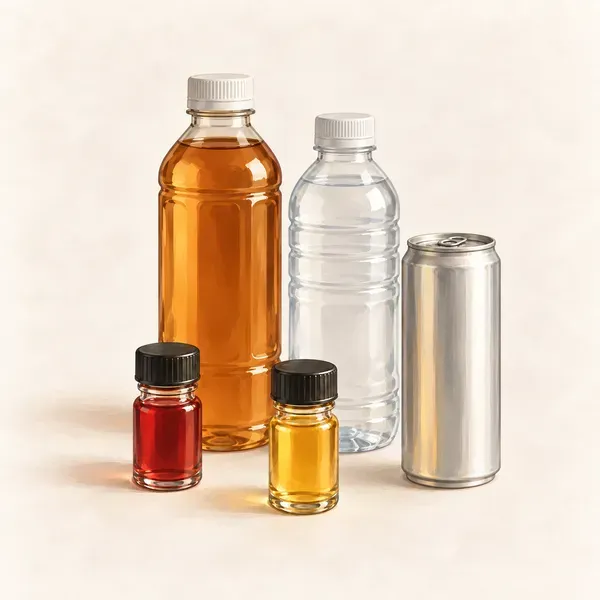
| Shots | Small liquid vials or bottles of 7-OH |
| Enhanced kratom, kratom extract, kratom alkaloids | Label terms that can hide a high 7-OH content |
| Pseudo, MP, mitragynine pseudoindoxyl | A newer, stronger related compound sold alongside 7-OH; Schedule I since August 26, 2026 |
| Legal opioid, gas station opioid | Nicknames used by users and in news coverage |
| Gas station heroin | Usually means tianeptine, a different drug, but people often mix the two up |
| Brand names | Sold under brands including 7Tabz, Dopium and Zohm, as reported in news coverage |
If "gas station heroin" is what you're dealing with, see our page on tianeptine addiction treatment. It's a separate drug with its own withdrawal.
WHERE IT CAME FROM
Is 7-OH a New Drug? A Short History
The compound is not new. The products are. Kratom leaf has been chewed and brewed in Thailand, Malaysia and Indonesia for centuries, mostly by laborers looking for energy and relief from aches. 7-OH itself was first identified in the leaf by researchers in 1994. Within a decade, lab studies showed it was far more powerful at the opioid receptor than morphine.
For most of the 2010s, Americans bought kratom as a powder or capsule, often to manage pain or to get off prescription opioids. Around 2023, sellers began making 7-OH directly and packaging it as small tablets and candy-like products.
By late 2024, forensic labs were finding 7-OH as the main ingredient in products sold as "kratom." Stores that had never carried kratom began stocking it by the register, and the FDA started calling it an emerging opioid threat.
| When | What happened |
|---|---|
| Centuries ago | Kratom leaf chewed and brewed as tea in Southeast Asia |
| 1943 | Thailand bans kratom (reversed in 2021) |
| 1994 | Researchers first isolate 7-hydroxymitragynine from the kratom leaf |
| Early 2000s | Lab studies find 7-OH far more potent than morphine at the opioid receptor |
| 2000s–2010s | Kratom powder and capsules spread across the U.S. |
| 2016 | DEA announces plans to schedule kratom's alkaloids, then withdraws after public pushback |
| 2023–2024 | Concentrated and semi-synthetic 7-OH tablets, gummies and shots hit gas stations and smoke shops |
| July 2025 | FDA recommends scheduling 7-OH and issues warning letters to sellers |
| 2026 | DEA moves to make concentrated 7-OH Schedule I; New Jersey bill S301 advances |
HOW IT WORKS
Is 7-OH an Opioid?
Legally, 7-OH is not classed as an opioid drug. Chemically and in the body, it behaves like one. 7-OH binds to the mu-opioid receptor, the same receptor targeted by morphine, oxycodone, heroin and fentanyl.
In a well-known lab study on animal tissue, 7-OH was about 13 times more potent than morphine. The DEA's 2026 scheduling notice describes its abuse potential as similar to Schedule I and II opioids.
That is why 7-OH produces opioid effects (pain relief, calm, euphoria), opioid side effects (constipation, sedation) and opioid-style withdrawal. It is also why naloxone (Narcan) can reverse a 7-OH overdose.
HOW IT'S USED
How People Use 7-OH
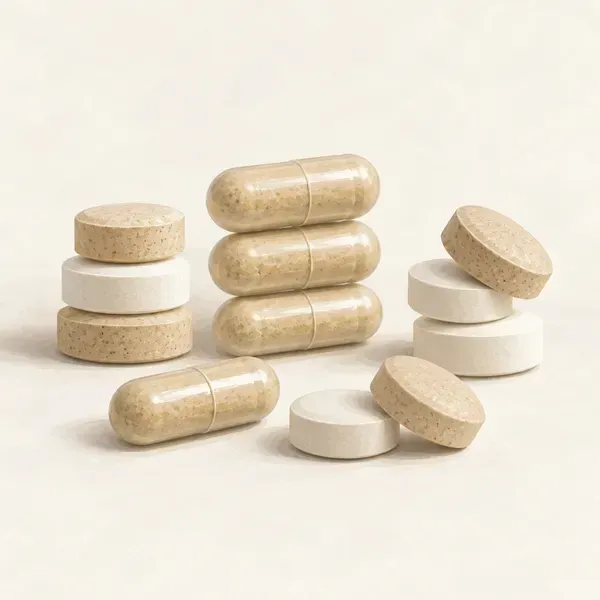
Most 7-OH is sold as small pressed tablets, often in blister packs or tins of a few pills, and swallowed or dissolved under the tongue. It also comes as gummies, liquid shots, sublingual strips and loose powder. It is sold at gas stations, vape shops, smoke shops and online, often next to energy drinks, with packaging that looks like a supplement.
Because 7-OH wears off within a few hours, heavy users redose throughout the day and often wake at night in withdrawal. Clinicians at Michigan Medicine have described a patient spending about $300 a day on 7-OH.
People start for different reasons, and many start with good intentions. The pattern that brings them to treatment is the same: the dose that worked stops working, use spreads through the day, and stopping brings on withdrawal.
Common 7-OH forms and what to know
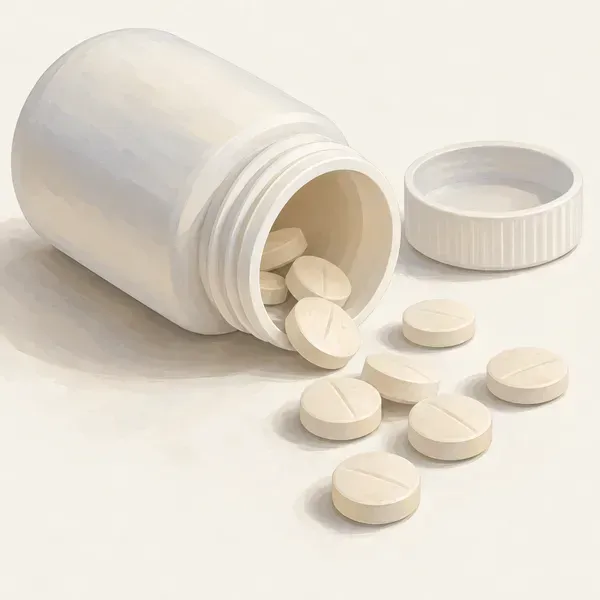
7-OH Tablets
How it's taken: Swallowed, chewed or dissolved under the tongue.
What to know: The most common form. Strength varies from pack to pack.
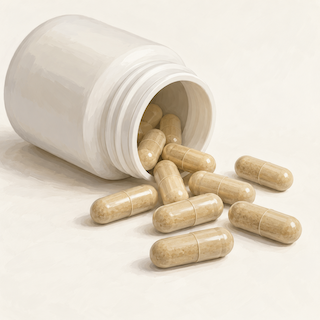
7-OH Capsules
How it's taken: Swallowed.
What to know:
Often sold as "enhanced kratom" or kratom extract, which hides how strong it is.
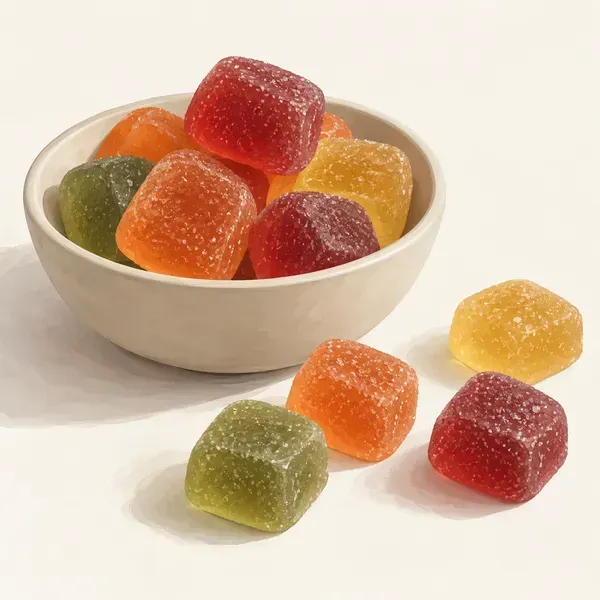
7-OH Gummies
How it's taken: Chewed.
What to know: They look like candy and appeal to teens. Young children swallow them by accident.
7-OH Shots and Drinks
How it's taken:
Drunk from small vials, bottles or cans.
What to know:
Some look like energy drinks, iced tea or wellness shots, so it's easy to take more than intended.
7-OH Powder
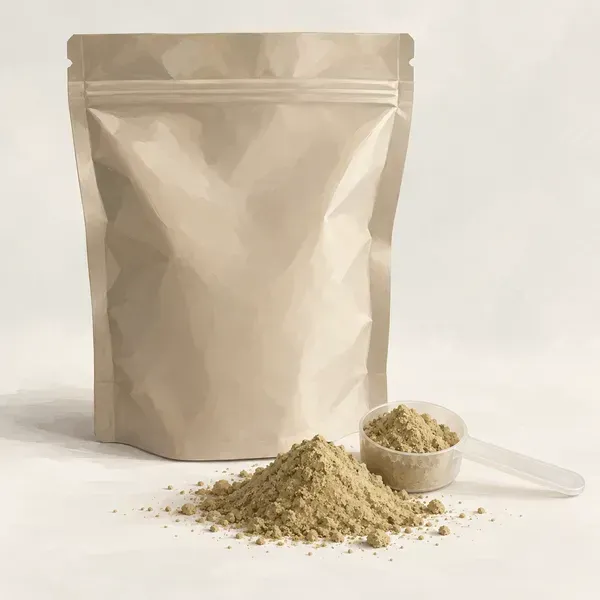
How it's taken: Mixed into drinks or packed into capsules.
What to know: The hardest form to measure.
7-OH Pouches
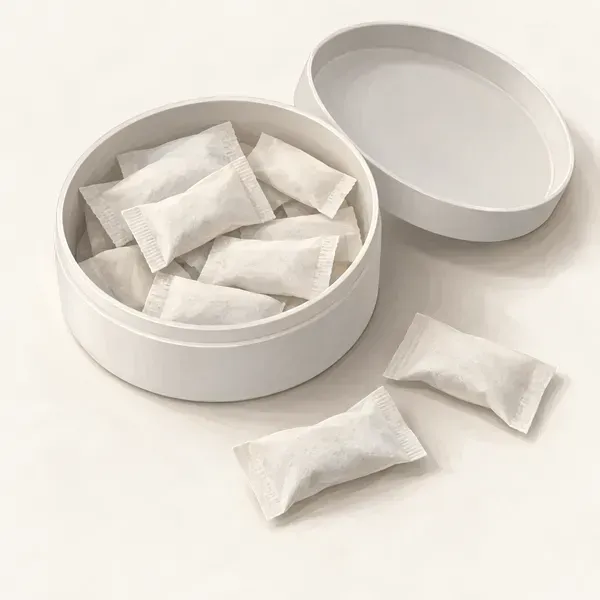
How it's taken: Tucked between the gum and lip, like nicotine pouches.
What to know: Easy to use without anyone noticing.
7-OH Vapes
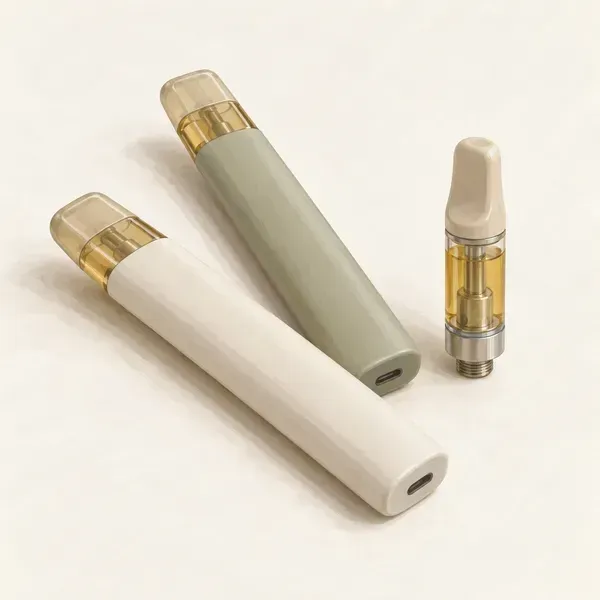
How it's taken: Inhaled from vape pens or cartridges.
What to know: A newer format with almost no safety data.
Stacking 7-OH
How it's taken: Combined with kratom, kava or pseudo.
What to know: Adds sedation and makes withdrawal harder
Why people start using 7-OH, and what tends to happen
| Why people start | What often happens next |
|---|---|
| Chronic pain | Relief fades as tolerance builds; more tablets are needed for the same effect |
| Getting off pills, heroin or fentanyl | 7-OH replaces one opioid dependence with another |
| Anxiety or stress | Calm turns into rebound anxiety between doses |
| Energy for long work shifts | Use moves from occasional to several times a day |
| Moving up from kratom powder | Tolerance to kratom drives people to stronger 7-OH |
| Euphoria or curiosity | Cravings and daily use develop within weeks for many people |
DOSAGE
7-OH Dosage: Why There's No Safe Number
Some people do. Alcohol is one of the few substances where stopping suddenly can be medically dangerous rather than just miserable. Severe alcohol withdrawal can cause seizures and delirium tremens, and it needs medical supervision.
Renova does not provide medical detox. We are an outpatient facility, and pretending otherwise would put people at risk. What we do is assess honestly, help arrange detox where it is needed, and hold a place for you to step into PHP, IOP or outpatient afterwards.
Tell us on the first call if any of the following is true. It changes what happens next, and it is not a reason to be turned away.
Labels are unregulated.
7-OH is not an FDA-approved drug. Independent lab tests of kratom and 7-OH products have found contents that do not match the label.
Some products contain other compounds.
Newer products contain related chemicals like mitragynine pseudoindoxyl, which the DEA placed in Schedule I in August 2026 because of its opioid strength.
Tolerance builds fast.
The amount that worked last month may do nothing today, which pushes people to take more, more often.
Your own risk changes.
Alcohol, benzodiazepines, sleep aids, other opioids, a missed meal or a break in use all change how your body handles the same amount.
If you are counting milligrams to get through the day or to avoid getting sick, that is a sign of physical dependence. It is worth a confidential conversation with a clinician before you change anything.
EFFECTS
7-OH Effects and Side Effects
Users describe 7-OH as a warm, calm, pain-free feeling that comes on within about 30 minutes, similar to a prescription opioid. Short-term side effects look like opioid side effects too. Longer-term, the biggest risks are dependence, withdrawal and overdose, especially when 7-OH is combined with other depressants.
Some of the long-term effects below come from research on heavy kratom use, since 7-OH products are too new for long-term studies. Because 7-OH is far stronger, the risks are unlikely to be smaller.
Common 7-OH effects and side effects
| Short-term effects | Side effects | Long-term risks |
|---|---|---|
| Pain relief | Nausea and vomiting | Physical dependence |
| Calm, relaxed feeling | Constipation | Withdrawal when stopping |
| Euphoria | Drowsiness, nodding off | Rising tolerance |
| Reduced anxiety | Heavy sweating, itching | Low mood and anxiety between doses |
| More energy at low amounts (some users) | Pinpoint pupils | Loss of appetite and weight loss |
| Dizziness, dry mouth | Low sex drive and hormone changes | |
| Headache | Liver injury, including dark urine and yellowing skin (reported with kratom products) | |
| Slowed breathing at high amounts | Darkening of the skin (reported with heavy kratom use) | |
| Seizures (reported with high kratom intake) | ||
| Overdose, especially mixed with other depressants |
RISKS
Is 7-OH Safe? Overdose Risk and Naloxone
No. The FDA calls 7-OH products a potent opioid and an imminent public health hazard. The DEA's July 2026 scheduling notice reported:
165 poison center exposure cases involving 7-OH in the first seven months of 2025, with about 35 percent leading to serious health problems.
9 deaths in the FDA's adverse event database as of February 2026.
85 overdose cases with 7-OH identified in toxicology since 2019, 55 of them fatal.
Signs of a 7-OH overdose: slow or stopped breathing, blue or gray lips, pinpoint pupils, gurgling or snoring sounds, and not waking up when shaken or called.
What to do: call 911, give naloxone (Narcan) if you have it, and stay with the person. Because 7-OH works on the opioid receptor, naloxone can reverse it, but more than one dose may be needed. New Jersey's Naloxone365 program lets adults get naloxone free and anonymously at participating pharmacies. Our Ocean County addiction resources page lists where.
DRUG INTERACTIONS
Mixing 7-OH With Alcohol, Benzos or Other Drugs
Most serious 7-OH emergencies involve more than one substance. Anything that slows breathing adds to 7-OH's effect, and the combination can stop breathing at amounts that would be survivable alone.
| Combined with | Why it's dangerous |
|---|---|
| Alcohol | Both slow breathing; blackouts and vomiting while sedated |
| Benzodiazepines (Xanax, Klonopin, Valium) | The most dangerous pairing for stopped breathing |
| Other opioids (pills, heroin, fentanyl) | Stacked opioid effect; fentanyl contamination risk |
| Gabapentin or pregabalin | Increases sedation and breathing risk |
| Sleep aids and sedating antihistamines | Deeper sedation |
| Stimulants | Masks sedation until the stimulant wears off |
TEENS, CHILDREN AND PREGNANCY
7-OH, Teens, Children and Pregnancy
Most serious 7-OH emergencies involve more than one substance. Anything that slows breathing adds to 7-OH's effect, and the combination can stop breathing at amounts that would be survivable alone.
Teens and young adults.
7-OH is sold in fruit flavors, candy-like tablets and bright cans, often near college campuses and in smoke shops with loose age checks. For a teen or young adult, the path from "it's just a supplement" to daily use can take weeks. Watch for small tins or blister packs, gas station receipts, unexplained spending and nodding off.
Young children.
A gummy or tablet left within reach can cause dangerous sleepiness and slowed breathing in a small child. If a child swallows any 7-OH product, call Poison Control at 1-800-222-1222 right away, or 911 if the child is hard to wake or breathing slowly.
Pregnancy.
Babies born to mothers who used kratom regularly have gone through newborn withdrawal, the same pattern seen with other opioids. Don't stop suddenly on your own if you're pregnant and using 7-OH. Tell your OB right away so you can plan a safe way off together.
LEGAL STATUS
Is 7-OH Legal in New Jersey?
- JULY 2025
FDA recommends scheduling 7-OH as a controlled substance
- MARCH 2026
NJ Senate Health Committee advances S301 (8–0) to make 7-OH Schedule I in New Jersey
- JULY 2026
DEA announces intent to place concentrated 7-OH in Schedule I, temporarily
- AUGUST 2026
Three related compounds (MGP, MGM-15, MGM-16) become Schedule I
- SEP 2026
NJ Assembly companion bill A5359 introduced
Laws are changing quickly. This is general information, not legal advice. Sources: DEA, Federal Register, NJ Legislature.
renovarecovery.com
Federal:
On July 1, 2026, the DEA announced it will temporarily place 7-OH above a set threshold in Schedule I, the same category as heroin. The proposed line is more than 0.05 percent 7-OH by weight, or more than 1 milligram per unit, which covers essentially every concentrated 7-OH product. Natural kratom leaf below the threshold is not covered. Three related compounds (mitragynine pseudoindoxyl, MGM-15 and MGM-16) became Schedule I on August 26, 2026.
New Jersey:
Bill S301 would add 7-OH to New Jersey's Schedule I list and make possessing or selling an ounce or more a second-degree crime. It cleared the Senate Health Committee 8 to 0 on March 16, 2026. The Assembly version, A5359, was introduced on September 10, 2026.
Other states:
everal states have already banned 7-OH or kratom outright.
DRUG TESTING
Does 7-OH Show Up on a Drug Test?
Standard 5-panel and 10-panel urine screens are not designed to detect kratom alkaloids, and 7-OH generally does not trigger a standard opiate screen. Specialized tests can detect mitragynine and 7-OH, and more labs, courts, probation departments and employers now order them. If you are in a court-ordered program or on probation, assume you can be tested for it.
How long does 7-OH stay in your system?
7-OH is short-acting, which is why withdrawal can start within hours. How long it stays detectable hasn't been well studied. Kratom alkaloids are generally detectable in urine for several days after regular use, and longer after heavy daily use.
DIAGNOSIS
Is 7-OH Addictive? DSM-5 Criteria
Yes. 7-OH causes physical dependence, meaning withdrawal when you stop, and it can cause addiction, meaning compulsive use despite harm. The DSM-5 has no separate 7-OH diagnosis. Clinicians use the same 11 criteria that apply to every substance use disorder, usually under "other (or unknown) substance use disorder." Meeting 2 or more criteria within 12 months points to a diagnosis.
DSM-5 substance use disorder criteria, applied to 7-OH
| # | DSM-5 criterion | What it looks like with 7-OH |
|---|---|---|
| 1 | Using more or longer than intended | Planning one tablet and finishing the pack |
| 2 | Wanting to cut down but not managing it | Repeated promises to stop on Monday |
| 3 | Lots of time spent getting, using or recovering | Planning your day around store runs |
| 4 | Cravings | Thinking about the next dose while the last one is still working |
| 5 | Falling behind at work, school or home | Missed shifts, late bills, dropped responsibilities |
| 6 | Using despite relationship problems | Arguments about money or hiding use from a partner |
| 7 | Giving up activities | Skipping the gym, hobbies or family time |
| 8 | Using in risky situations | Driving after dosing |
| 9 | Using despite health problems | Continuing through constipation, low mood or anxiety |
| 10 | Tolerance | Needing more tablets for the same effect |
| 11 | Withdrawal | Sweats, aches, restlessness when a dose is late |
DSM-5 severity scale
| Criteria met in 12 months | Severity |
|---|---|
| 2–3 | Mild |
| 4–5 | Moderate |
| 6 or more | Severe |
Only a clinician can diagnose a substance use disorder. If several rows sound familiar, a free, confidential assessment with our team will tell you where you stand and what level of care fits.
WARNING SIGNS
Signs of 7-OH Addiction
Whether you're asking about yourself or someone you love, these are the signs clinicians look for:
Signs of 7-OH addiction
| In yourself | In someone you love |
|---|---|
| Dosing on waking to feel normal | Frequent trips to gas stations or smoke shops |
| Feeling sick, anxious or restless when late on a dose | Small tins, blister packs or tablets around the house |
| Using more tablets, more often | Nodding off, pinpoint pupils |
| Spending money you can't spare | Unexplained spending or borrowing |
| Hiding how much you use | Mood swings, irritability between doses |
| Failed attempts to stop | Pulling away from family and old routines |
If you're worried about a family member, our guide for families worried about someone covers how to start the conversation.
7-OH WITHDRAWAL
7-OH Withdrawal Symptoms
7-OH withdrawal looks like opioid withdrawal. Because 7-OH products are so concentrated, many people describe it as harder than kratom withdrawal, closer to coming off pain pills. Symptoms depend on how much you used, how often and for how long.
| Physical symptoms | Emotional and mental symptoms |
|---|---|
| Muscle, bone and joint aches | Anxiety and panic |
| Sweating, chills, goosebumps | Restlessness, can't sit still |
| Runny nose, watery eyes, yawning | Irritability and anger |
| Nausea, vomiting, diarrhea, stomach cramps | Low mood, depression |
| Restless legs, jerking movements | Intense cravings |
| Insomnia | Trouble concentrating |
| Fast heart rate, raised blood pressure | Feeling flat, no pleasure (later phase) |
Get medical help right away if you can't keep fluids down, have chest pain, feel confused, are also withdrawing from alcohol or benzodiazepines, or have thoughts of harming yourself. Call 911 in an emergency, or call or text 988 for a mental health crisis.
The Timeline
7-OH Withdrawal Timeline
Most people follow a similar 7-OH withdrawal timeline after their last dose. Symptoms usually start within a day, peak over days 1 to 3 and ease by the end of the first week. Sleep, mood and cravings can hang on for weeks after that. High daily use, mixing 7-OH with other substances and a history of opioid dependence can make every stage longer and harder.
- 1
 6–24 HOURS
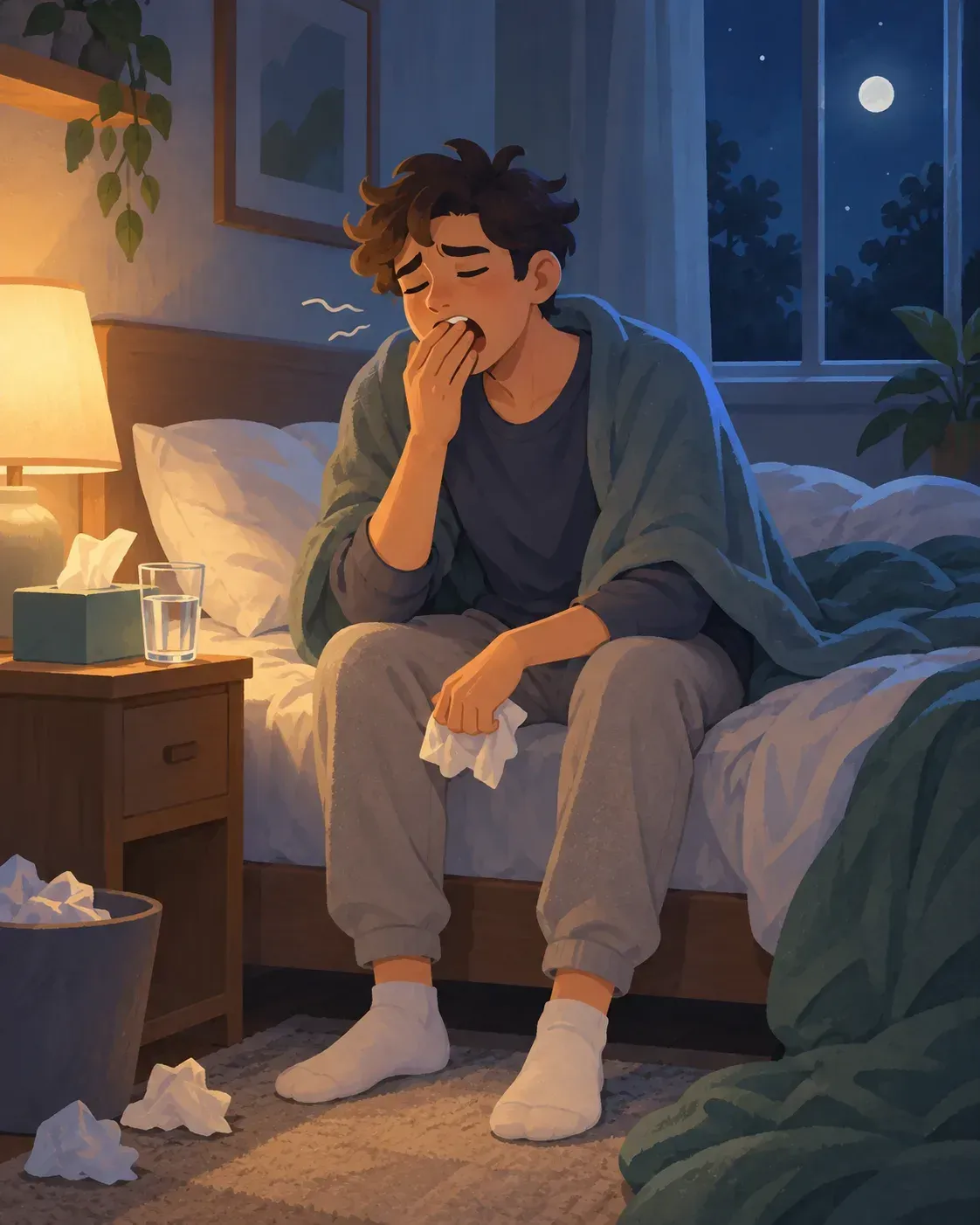
6–24 Hours: First Signs of 7-OH Withdrawal
7-OH wears off fast, so withdrawal can start within hours of your last dose, often around the time the next one would be due. It usually begins as unease: anxiety, restlessness and a pull toward the next dose that is hard to ignore. The body follows with yawning, a runny nose, watery eyes and goosebumps, and sleep gets difficult that first night. Many people dose again at this point just to make the discomfort stop, which is how the cycle keeps going.
Common symptoms: Anxiety, restlessness, yawning, runny nose, watery eyes, trouble sleeping, cravings
- 2
 DAYS 1–3
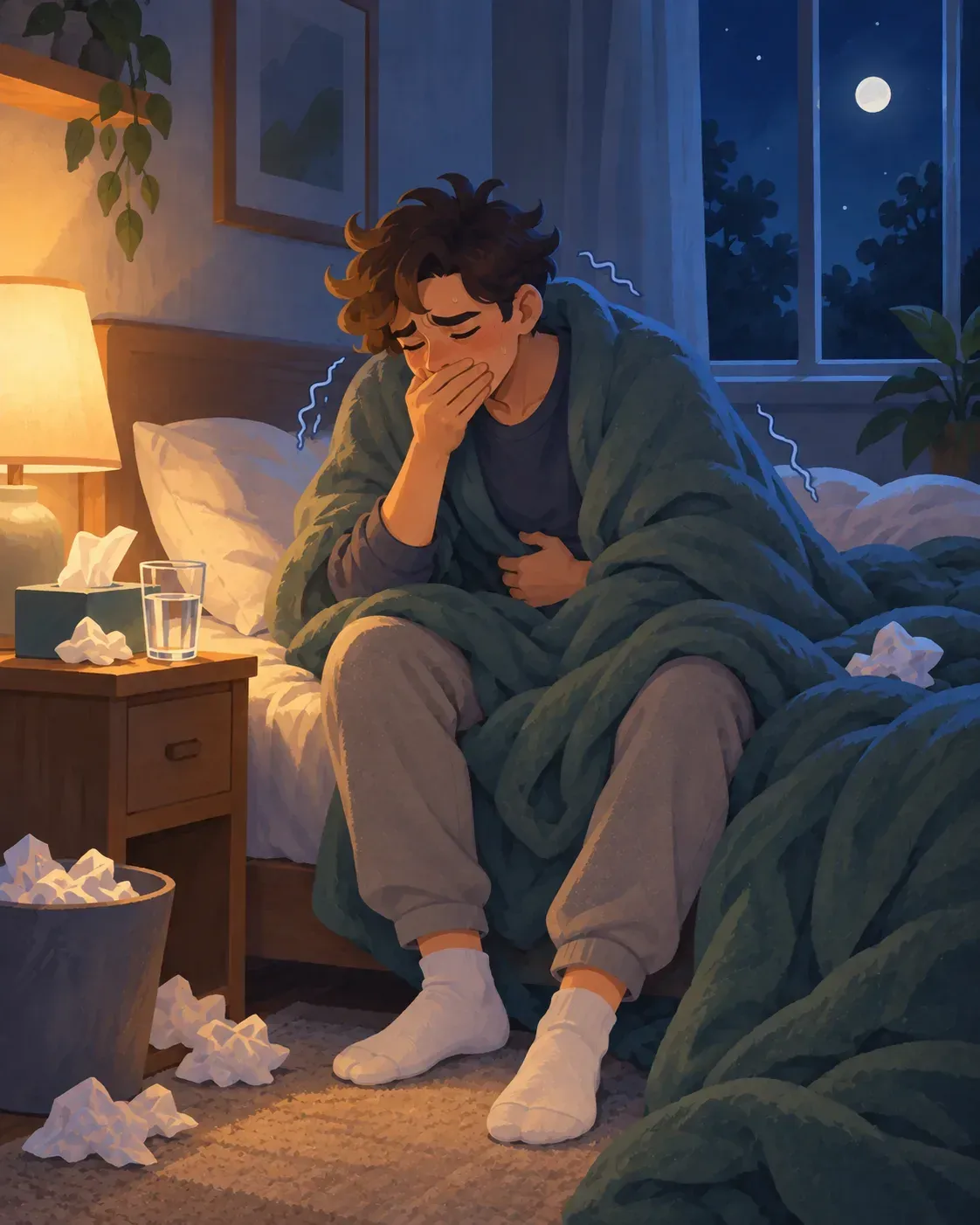
Days 1–3: Peak 7-OH Withdrawal Symptoms
This is the hardest stretch of 7-OH withdrawal. Physical symptoms are at their strongest: deep muscle and bone aches, waves of sweating and chills, nausea, vomiting, diarrhea and stomach cramps. Restless legs and insomnia make it hard to rest, and irritability runs high. Cravings are at their most intense, and so is the risk of using again. Keep drinking fluids. If you can't keep fluids down, have chest pain, or are also coming off alcohol or benzodiazepines, get medical help right away.
Common symptoms: Body aches, sweats and chills, nausea, vomiting, diarrhea, stomach cramps, restless legs, insomnia, irritability, the strongest cravings
- 3
 DAYS 4–7
Days 4–7: 7-OH Withdrawal Symptoms Start to Ease
Most physical symptoms fade by the end of the first week. The aches loosen, the stomach settles and appetite starts to come back. What tends to stay is fatigue, low mood and broken sleep. Feeling better physically can make it seem like the hard part is over, but the brain is still recalibrating, and this is when many people slip. It is the right moment to start outpatient addiction treatment, while the worst is behind you and the reasons to stop are still fresh.
Common symptoms: Fatigue, low mood, poor sleep, lingering cravings
- 4
 WEEK 2 ONWARD
Week 2 Onward: Post-Acute 7-OH Withdrawal (PAWS)
Once acute withdrawal ends, many people go through post-acute withdrawal syndrome (PAWS) for weeks to a few months. Sleep stays uneven, anxiety comes and goes, and everyday life can feel flat. Cravings can show up out of nowhere, set off by stress, a bad night or driving past the store where you used to buy. Most relapses happen in this stretch, which is why getting through withdrawal is only the start. Structured therapy, relapse prevention skills and, for some people, Vivitrol medication-assisted treatment once you are opioid-free give you support through it.
Common symptoms: Poor sleep, anxiety, flat mood, low energy, cravings that come and go
Renova Recovery is an outpatient program and does not provide medical detox. If your symptoms need medical supervision, tell us on the first call at (908) 533-9808 and we will talk through your next step.
HOW LONG IT LASTS
How Long Does 7-OH Withdrawal Last?
Acute 7-OH withdrawal usually lasts about 3 to 7 days. The worst of it is typically days 1 through 3. After that, many people deal with post-acute withdrawal: weeks to a few months of poor sleep, anxiety, low energy and cravings that can hit without warning.
That post-acute stretch is when most relapses happen, and it's why getting through withdrawal is only the start. Structured outpatient care covers exactly that window.
GETTING THROUGH IT
What Helps With 7-OH Withdrawal
The safest way through 7-OH withdrawal is with a medical provider involved. Published case reports and case series from 2025 and 2026 describe doctors treating 7-OH withdrawal the way they treat other opioid withdrawal, most often with buprenorphine prescribed by a physician.
Doctors may also use non-opioid medications for specific symptoms like nausea, diarrhea, aches and sleep.
| Helps | Doesn't help or adds risk |
|---|---|
| A doctor's evaluation before you stop | Stopping cold turkey after heavy daily use |
| Medication for opioid withdrawal, prescribed by a physician | Switching to kratom powder or tianeptine to cope |
| Symptom medications for nausea, diarrhea, aches and sleep | Alcohol, benzos or sleep aids to knock yourself out |
| Fluids, electrolytes and regular small meals | Going it alone with no plan for week 2 onward |
| A structured outpatient program that starts right away | Waiting for the ban to force you off |
Renova Recovery does not provide medical detox or prescribe buprenorphine. When someone needs medically managed withdrawal first, we help arrange it on the first call and then bring them into our outpatient program. Clients who are already stable on buprenorphine from an outside prescriber can attend our programs.
COMPARISON
7-OH Withdrawal vs. Kratom and Opioid Withdrawal
Kratom, 7-OH and prescription opioids all work on the same receptor, so withdrawal from each looks alike. The difference is mostly intensity, which tracks how strong and concentrated the product is.
Withdrawal compared
| Kratom leaf | 7-OH products | Short-acting opioids (pills, heroin) | |
|---|---|---|---|
| Typical onset | 12–24 hours | 6–24 hours | 8–24 hours |
| Peak | Days 1–3 | Days 1–3 | Days 1–3 |
| Intensity | Mild to moderate | Moderate to severe | Moderate to severe |
| Acute phase | About 3–7 days | About 3–7 days | About 4–10 days |
| Post-acute symptoms | Common | Common | Common |
Timelines are approximate and vary from person to person. For opioid dependence more broadly, see our opioid rehab page.
TAPERING
How to Quit 7-OH: Tapering vs. Cold Turkey
Some people try to step down gradually instead of stopping all at once. A taper can soften withdrawal, but self-tapering with 7-OH often fails: product strength varies from pack to pack, cravings override the schedule, and there's no standardized research on taper plans for 7-OH.
If you want to taper, do it with a clinician who knows your full substance use and health history, and have outpatient support lined up before you start. That way you have a plan for the hard days and for what comes after.
ALTERNATIVES
Alternatives to 7-OH: What Can Replace It?
Many people searching for a 7-OH alternative want the same thing: to stop feeling sick without going back to the gas station. The honest answer is that the safest replacement is medical care, not another product.
| Option | What it is | Where it fits |
|---|---|---|
| Buprenorphine (Suboxone) | A prescription medication for opioid dependence, used in published 7-OH case reports | Prescribed and timed by a physician; Renova coordinates with outside prescribers |
| Vivitrol (naltrexone) | A monthly injection that blocks the opioid receptor 7-OH acts on | After withdrawal is complete; given on site at Renova when a physician approves |
| Non-opioid pain care | Physical therapy, non-opioid medications and pain management | For people who started 7-OH for pain; coordinated with your doctors |
| Therapy and structure | CBT, relapse prevention and a daily program | For cravings, stress and the habits built around 7-OH |
| Kratom powder | The plant 7-OH comes from | Not a safe swap: keeps dependence going |
| Tianeptine, pseudo (MP) or kava stacks | Other gas station products | Not a safe swap: tianeptine and MP carry their own opioid-like risks |
TREATMENT IN NEW JERSEY
7-OH Addiction Treatment in New Jersey
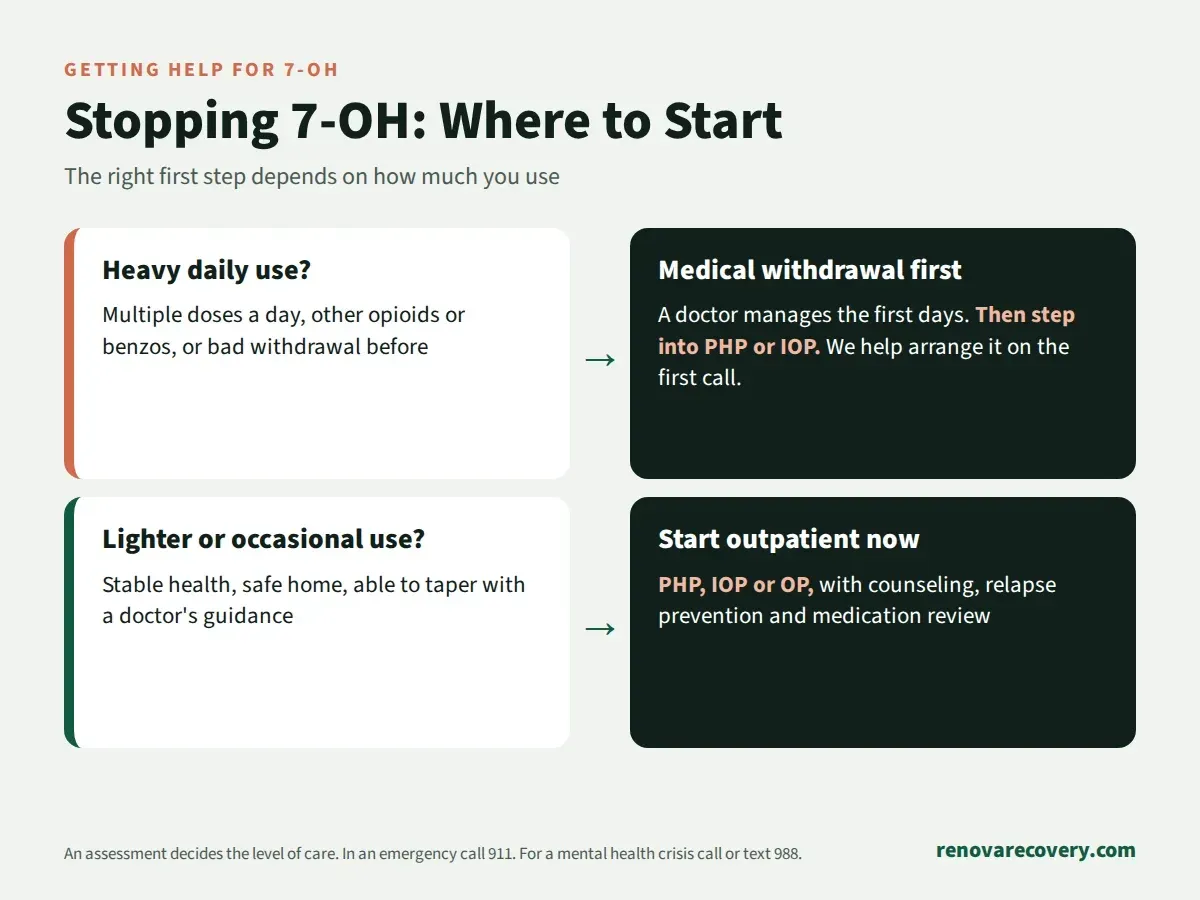
Renova Recovery treats 7-OH and kratom addiction in Brick, serving adults across New Jersey. Treatment is outpatient: you live at home, keep your routines where you can, and come to us for structured care. Every level includes individual counseling and case management at no extra charge.
Which level of care fits
| Level | Schedule | Often the right fit when |
|---|---|---|
| Medically managed withdrawal (arranged with a partner) | Several days of medical care | Heavy daily use, other opioids or benzos, or severe withdrawal before |
| Partial Hospitalization Program (PHP) | 6 hours a day, 5 days a week | You need daily structure right after withdrawal |
| Intensive Outpatient Program (IOP) | 3 hours a day, morning, afternoon or evening | You're stable enough to work or care for family while in treatment |
| Outpatient Program (OP) | About 90 minutes, usually evenings | You're stepping down or need ongoing support |
Read more about our
partial hospitalization program (PHP),
intensive outpatient program (IOP) and
outpatient program. An
assessment on your first call decides which level fits.
MEDICATION
Vivitrol and Medication After 7-OH
Renova offers medication-assisted treatment with Vivitrol, a once-monthly injection of naltrexone given on site. Naltrexone blocks the opioid receptor that 7-OH acts on, which can cut cravings and take away the reward if someone uses.
Timing matters. Naltrexone started while 7-OH is still active in the body can trigger sudden, severe withdrawal, so it's only considered after withdrawal is complete and you've been off 7-OH long enough. Our affiliated physician decides whether and when Vivitrol makes sense for you. We do not prescribe Suboxone or methadone, and we coordinate with outside prescribers for clients who take buprenorphine.
FOR FAMILIES
How to Help Someone Addicted to 7-OH
- Learn the signs in the table above so you can talk about specifics, not suspicions.
- Keep naloxone in the house and know the signs of overdose.
- Talk when they're sober and calm, lead with concern, and avoid ultimatums in the first conversation.
- Don't push them to quit cold turkey. Heavy daily use can make withdrawal severe; a medical plan is safer.
- Make the call together. A first call with our admissions team is confidential and doesn't commit anyone to anything.
GETTING STARTED
Therapy for 7-OH Addiction
Stopping 7-OH is the first step. Therapy is how you stay stopped. Our licensed clinicians use approaches with strong evidence for opioid and stimulant-like dependence:
- Cognitive behavioral therapy (CBT) to break the link between stress, pain and reaching for a tablet.
- Motivational interviewing to work through mixed feelings about quitting.
- Relapse prevention therapy for the post-acute weeks when cravings return.
- Family therapy to repair trust and get everyone on the same plan.
GETTING STARTED
Starting 7-OH Treatment: Insurance and What Happens When You Call
Most commercial PPO plans cover outpatient treatment for substance use disorders, including 7-OH and kratom. Renova works out of network with commercial PPO plans, and you can verify your insurance online or on the phone.
- You call 908-533-9808. Everything you share is confidential
- We check your benefits while you're on the phone and walk through your 7-OH use and health.
- We recommend a level of care. If you need medical withdrawal first, we help arrange it.
- You start, usually the same day or the next. There's no waitlist.
If getting to Brick is a problem, mention it on the first call. See admissions for the full process, or meet the clinical team you'll work with.
Renova Recovery
35 Beaverson Blvd, Building 6A
Brick Township, NJ 08723
908-533-9808
COMMON QUESTIONS
7-OH Frequently Asked Questions
What is 7-OH?
7-OH is 7-hydroxymitragynine, an opioid-like alkaloid from the kratom plant. The 7-OH sold in stores is concentrated or chemically made from kratom extract and sold as tablets, gummies, shots and powders.
Is 7-OH an opioid?
7-OH is not legally classed as an opioid, but it acts like one. It binds the same mu-opioid receptor as morphine and heroin, and in lab studies it was about 13 times more potent than morphine.
Is 7-OH a new drug?
The compound was first identified in 1994. Concentrated 7-OH products are new, spreading through U.S. gas stations and smoke shops in 2023 and 2024.
Is 7-OH legal in New Jersey?
As of September 2026, 7-OH is not yet federally scheduled. The DEA has announced plans to place concentrated 7-OH in Schedule I, and New Jersey bill S301 would make it Schedule I in the state.
Is 7-OH addictive?
Yes. Regular use causes physical dependence and withdrawal, and many people develop a substance use disorder, meaning compulsive use despite harm.
What are 7-OH withdrawal symptoms?
Muscle aches, sweating, chills, runny nose, nausea, diarrhea, insomnia, restlessness, anxiety, irritability and strong cravings.
How long does 7-OH withdrawal last?
Acute withdrawal usually lasts about 3 to 7 days, peaking on days 1 to 3. Sleep problems, anxiety and cravings can continue for weeks.
When does 7-OH withdrawal start?
Usually 6 to 24 hours after the last dose.
What helps with 7-OH withdrawal?
A doctor's evaluation, medication for opioid withdrawal prescribed by a physician, symptom relief for nausea and sleep, fluids, and a structured outpatient program that starts right away.
Can you overdose on 7-OH?
Yes. 7-OH can slow or stop breathing, especially with alcohol, benzodiazepines or other opioids. Call 911 and give naloxone (Narcan) if you suspect an overdose.
Does naloxone work on 7-OH?
Yes. Because 7-OH acts on the opioid receptor, naloxone can reverse a 7-OH overdose, though more than one dose may be needed.
Does Renova Recovery treat 7-OH addiction?
Yes. Renova Recovery in Brick, NJ treats 7-OH and kratom addiction through PHP, IOP and outpatient programs, with individual counseling, relapse prevention and Vivitrol when appropriate.
What are street names for 7-OH?
7-OH is often called 7OH, 7-hydroxy, tabs or shots, and may be labeled as enhanced kratom or kratom extract. A related, stronger compound is sold as pseudo or MP.
What is pseudo kratom?
Pseudo is mitragynine pseudoindoxyl (MP), a compound related to 7-OH and even stronger at the opioid receptor. It became a Schedule I substance on August 26, 2026.
Can you vape 7-OH?
7-OH vapes are sold, but there is almost no safety data on inhaling it. Inhaled or not, it carries the same dependence and overdose risk.
Is 7-OH safe during pregnancy?
No. Babies born to mothers who used kratom regularly have gone through newborn withdrawal. If you're pregnant, talk to your OB before stopping so you can do it safely.
Is 7-OH the same as kratom?
No. Kratom is the plant. 7-OH is one of its alkaloids, making up less than 2 percent of the leaf's alkaloids naturally. 7-OH products concentrate it far beyond natural levels.
Is 7-OH stronger than kratom?
Yes. 7-OH is much stronger at the opioid receptor than mitragynine, kratom's main alkaloid, which is why 7-OH products carry more risk of dependence and overdose.
Does 7-OH show up on a drug test?
Standard 5-panel and 10-panel screens are not designed to detect it, but specialized tests can detect mitragynine and 7-OH, and courts and employers increasingly use them.
What is a safe dose of 7-OH?
There is no established safe dose. Products are unregulated, labels can be inaccurate, and tolerance builds quickly.
Can I quit 7-OH cold turkey?
After heavy daily use, stopping all at once can cause severe withdrawal. Talk to a doctor first so you have a medical plan and support in place.
Does 7-OH cause precipitated withdrawal?
7-OH itself doesn't, but starting buprenorphine (Suboxone) or naltrexone (Vivitrol) while 7-OH is still active can trigger sudden, severe precipitated withdrawal. That's why a prescriber times these medications carefully.
How long after 7-OH can I take Suboxone?
There's no fixed number of hours. Prescribers usually wait until clear withdrawal symptoms have started before the first dose, to avoid precipitated withdrawal. Only start buprenorphine under a prescriber's direction.
How long does 7-OH stay in your system?
It hasn't been well studied. Kratom alkaloids are generally detectable in urine for several days after regular use, and longer after heavy daily use.
Does Renova offer 7-OH detox?
No. Renova is outpatient only. If you need medically managed withdrawal first, we help arrange it and then bring you into our program.
Does insurance cover 7-OH addiction treatment?
Most commercial PPO plans cover outpatient substance use treatment. Renova verifies your benefits on the first call.
Can I keep working during 7-OH treatment?
Often, yes. IOP runs 3 hours a day with morning, afternoon or evening options, and OP meets about 90 minutes, usually in the evening.
How do I help a family member addicted to 7-OH?Title or Question
Learn the signs, keep naloxone at home, talk when they're calm, avoid pushing a cold-turkey quit, and make a confidential first call together.
Sources
- U.S. Food and Drug Administration. FDA and Kratom; Hiding in Plain Sight: 7-OH Products. fda.gov
- Drug Enforcement Administration. DEA to Temporarily Schedule 7-OH and Related Substances. Press release, July 1, 2026. dea.gov
- Federal Register. Schedules of Controlled Substances: Temporary Placement of 7-Hydroxymitragynine Above a Specified Threshold in Schedule I (notice of intent), July 6, 2026.
- New Jersey Legislature. S301 (2026–2027 session), Classifies 7-hydroxymitragynine as Schedule I drug; companion A5359.
- Management of acute withdrawal from 7-hydroxymitragynine after high-dose chronic use: a case report. Journal of the American Pharmacists Association, 2026.
- Buprenorphine for the Management of 7-Hydroxymitragynine (7-OH) Use: A Retrospective Case Series. Journal of Addiction Medicine.
- 7-Hydroxymitragynine Withdrawal Treated With Buprenorphine-Naloxone. The Primary Care Companion for CNS Disorders.
- Michigan Medicine Health Lab. Life-destroying addiction can start at a corner store.
- New Jersey Monitor. NJ bill looks to ban kratom products critics call dangerous, March 16, 2026.
- American Psychiatric Association. Diagnostic and Statistical Manual of Mental Disorders, Fifth Edition, Text Revision (DSM-5-TR).
TAKE THE FIRST STEP
Get Help for 7-OH Addiction in New Jersey
Most people who call have been thinking about it for a year or more. The call takes ten minutes, tells you what your insurance covers, and commits you to nothing.
Renova Recovery is a Joint Commission accredited, New Jersey licensed outpatient treatment facility for adults 18 and over. If you are in immediate danger call 911. For mental health or suicide crisis support, call or text 988.