THE RENOVA RECOVERY BLOG
Written by the Renova Recovery Editorial Team
Clinically reviewed by Rachele McGowan, LPC, LCADC, ACS, CCS, NCC, CCTP-II, ICGCI, Clinical Director
Renova Recovery Earns Joint Commission Accreditation: What It Means for Our Patients and Families
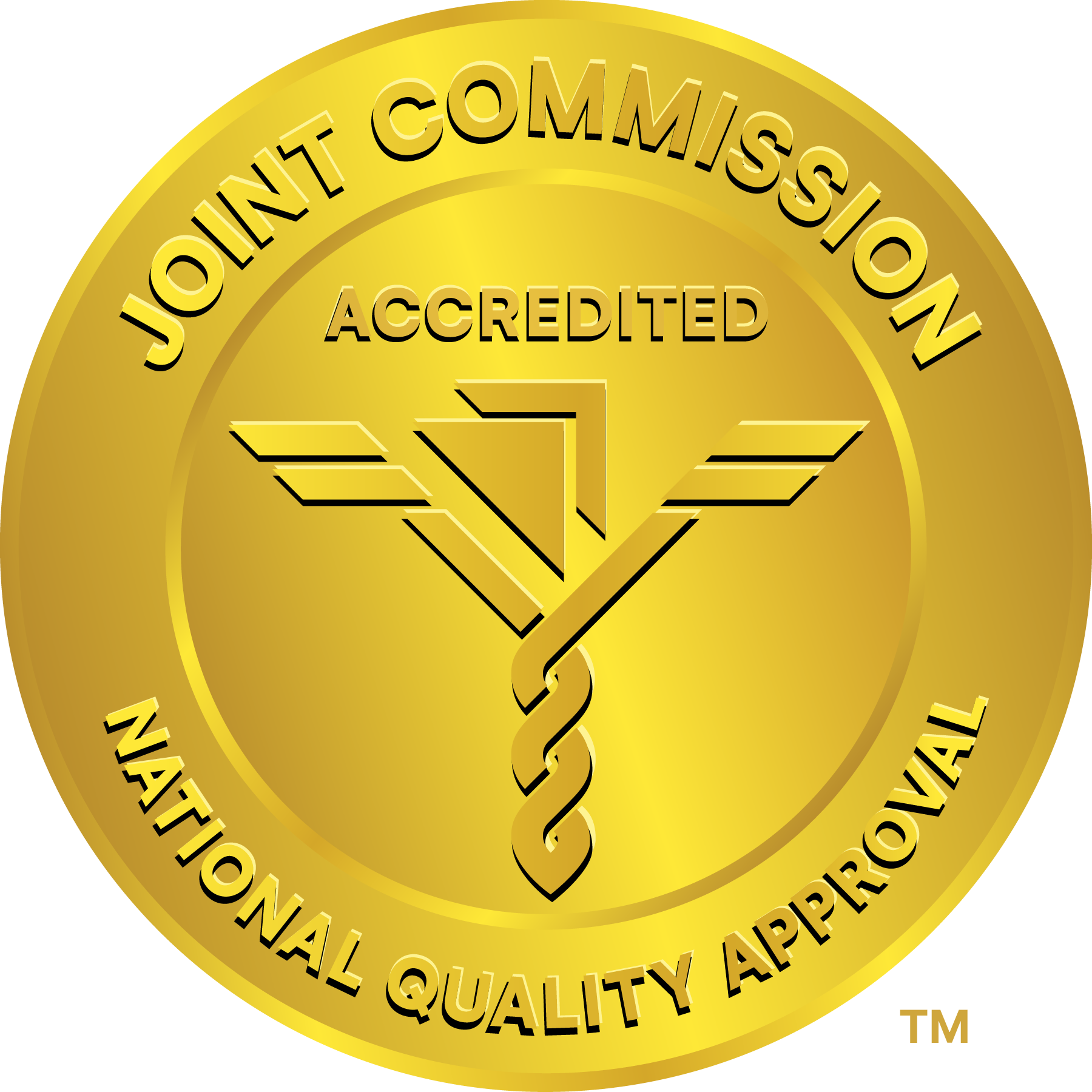
On July 8, 2026, Renova Recovery officially earned accreditation from The Joint Commission, an important milestone for our outpatient drug and alcohol treatment center in Brick, New Jersey.
We are proud of this achievement, but accreditation is about much more than receiving recognition or displaying a seal. It reflects the work our team puts into providing safe, structured, compassionate, and high-quality addiction treatment to every person who walks through our doors.
For individuals seeking treatment—and for families trying to find trustworthy care for someone they love—choosing the right program can feel overwhelming. Joint Commission accreditation provides an additional level of confidence that an independent organization has carefully evaluated how a treatment center operates and cares for its clients.
What Is Joint Commission Accreditation?
The Joint Commission is an independent healthcare accrediting organization that evaluates healthcare and behavioral health programs against established standards for quality, safety, and organizational performance.
Accreditation is earned through an extensive review process. Specially trained surveyors visit the organization, examine its policies and practices, observe how care is provided, and evaluate whether the program meets applicable standards. The Joint Commission describes accreditation as an objective process designed to help healthcare organizations measure, assess, and improve their performance so they can provide safe, high-quality care.
The standards focus on important areas of client care and organizational operations that are essential to delivering safe and effective services.
For an addiction treatment center, that means looking beyond what is written on a website or brochure. Surveyors examine how the program operates in practice, including its clinical services, documentation, staff preparedness, facility safety, policies, procedures, and approach to protecting and supporting clients.
Preparing for the Joint Commission Survey
Our formal preparation took approximately one month and involved nearly every part of the organization.
Under the leadership of our Clinical Director, Rachele McGowan, our team carefully reviewed the areas that matter most in operating a strong behavioral health and addiction treatment program.
This included:
- Client care and clinical documentation
- Facility and environmental requirements
- Client safety procedures
- Organizational policies and procedures
- Staff credentials and personnel records
- Emergency preparedness
- Treatment planning and chart documentation
- Day-to-day program operations
Although we completed a focused month of preparation, our readiness did not begin one month before the survey. The foundation had already been built through the systems, standards, and expectations we follow every day.
We did not want to temporarily prepare a program to look good during an inspection. We wanted the surveyors to see the program as it truly operates.
That meant reviewing our procedures, confirming that our documentation supported the care being delivered, ensuring staff understood their responsibilities, and taking a fresh look at the facility through the lens of client safety.
What Happened During the Two-Day Survey?
The Joint Commission surveyors spent two full days at Renova Recovery.
Their review was thorough and included multiple parts of our clinical and operational program. They examined client charts, observed a group therapy session, spoke with members of our team, reviewed policies and procedures, and inspected the building carefully.
The survey was not simply a checklist or paperwork review. It examined how our written policies connect with the actual care and support clients receive each day.
Surveyors looked at whether our documentation was complete, whether staff understood and followed established procedures, whether the facility was appropriately maintained, and whether potential safety concerns had been considered and addressed.
This type of review is important because quality treatment depends on more than one clinician, one group, or one written policy. A reliable program needs consistent systems working together, from the moment someone first calls for help through assessment, treatment planning, group participation, ongoing support, and discharge planning.
We were pleased that the surveyors responded positively to what they observed and to the systems we already had in place.
Small Safety Details Can Make a Meaningful Difference
The survey also helped us identify a few minor environmental improvements.
Some of these details may appear small, but they are part of creating the safest possible treatment environment. Recommendations included further reducing potential self-harm risks, addressing items such as exposed strings, and ensuring that certain locks could be opened from the outside by staff when necessary.
These were not major changes to our clinical program. They were thoughtful safety enhancements that helped us examine the facility from another perspective.
That is one of the most valuable parts of the accreditation process. Even when a program is operating well, an independent review can identify opportunities to make the environment safer, strengthen procedures, and improve consistency.
Accreditation should not be viewed as proof that an organization will never need to improve. It represents a commitment to maintaining strong standards, responding to feedback, and continuing to evaluate how care can be made safer and more effective.
What We Learned from the Accreditation Process
The process reinforced a simple but important lesson: when a treatment center is committed to running a solid program, building dependable systems, and putting client care first, even a demanding accreditation process is achievable.
Accreditation requires preparation, teamwork, organization, and attention to detail. However, it becomes much more manageable when quality and safety are already part of the organization’s daily culture.
Our staff did not have to become a different team for two days. They demonstrated the work they had already been doing.
That is what made this achievement especially meaningful to us.
What Accreditation Means for Patients and Families
When someone is struggling with substance use, the effects are rarely limited to that individual. Parents, spouses, siblings, children, and friends often spend months or years worrying about the person they love.
Families may wonder:
- Will my loved one be safe?
- Will the staff genuinely care?
- Will the program provide enough structure?
- Will treatment be personalized?
- Will someone recognize when additional support is needed?
- Can I trust what the treatment center is telling me?
No accreditation can make every family’s fear disappear. However, an independent review can provide meaningful reassurance that a treatment center has been evaluated against recognized healthcare standards.
At Renova Recovery, we want families to know that our commitment reaches into every part of the program.
It can be seen in the qualifications and preparation of our staff. It can be seen in the structure of our group programs, the quality of our documentation, the condition of our facility, our safety procedures, and the attention we give to each client’s needs.
For us, these are not separate responsibilities. They are all part of providing good care.
Our Commitment Goes Beyond Accreditation
Earning Joint Commission accreditation is an accomplishment we are proud to share, but it is not the end of our work.
It is another step in our ongoing commitment to delivering dependable outpatient addiction treatment in Brick, New Jersey, for individuals and families throughout Ocean County and the Jersey Shore.
Renova Recovery offers structured outpatient drug and alcohol treatment, including Partial Hospitalization Program, Intensive Outpatient Program, and Outpatient Program services. Our programs are designed to provide meaningful clinical support while helping clients remain connected to their families, responsibilities, and communities.
We will continue reviewing our practices, supporting our staff, strengthening our programs, and listening to the individuals and families who trust us with their care.
Joint Commission accreditation confirms an important achievement. More importantly, it reflects the promise behind our work: to treat each person with dignity, provide a safe and supportive environment, and deliver the strongest care we can at every stage of recovery.
Looking for Accredited Outpatient Addiction Treatment in Brick, NJ?
Renova Recovery provides outpatient drug and alcohol treatment for adults in Brick Township and surrounding Ocean County communities.
Whether you are seeking help for yourself, looking for treatment for someone you love, or helping a client transition from detox or a higher level of care, our team is available to explain the options and help determine the appropriate next step.
Contact Renova Recovery for a confidential conversation, an assessment, or help verifying insurance coverage.
Renova Recovery
Brick Township, New Jersey
Phone: 908-533-9808
Website: renovarecovery.com